

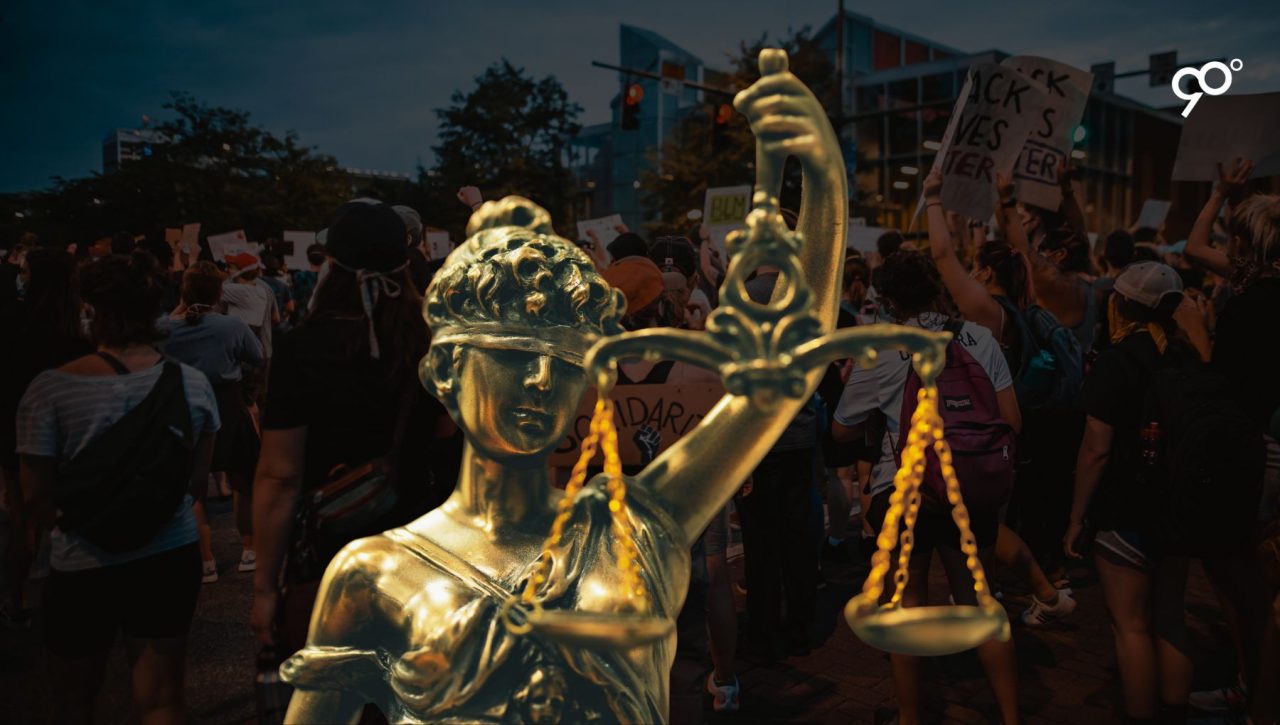
In recent years, social justice movements have gained remarkable momentum, amplified by the power of social media hashtags. From #BlackLivesMatter to #MeToo, these digital campaigns have raised awareness and galvanized global conversations about inequality, discrimination, and human rights. However, creating lasting change requires moving beyond online activism to transforming social justice demands into concrete policies and systemic reforms.
The Power and Limitations of Hashtag Activism
Hashtags serve as powerful tools for visibility and mobilization. They connect individuals, spread information rapidly, and pressure institutions to respond. Social media democratizes voices, allowing marginalized communities to share their stories and rally support.
Yet, hashtag activism alone cannot solve complex social issues. Online engagement often lacks the structure and influence needed to enact legal and institutional changes. Without translating awareness into actionable policy, social justice campaigns risk becoming fleeting moments rather than catalysts for enduring progress.
From Awareness to Action: Bridging the Gap
Turning social justice into policy involves strategic advocacy that connects grassroots movements with legislative processes. This requires collaboration between activists, policymakers, legal experts, and community leaders.
Key elements of this process include gathering robust research and data to inform policy proposals, building coalitions across diverse groups to strengthen advocacy efforts, and engaging policymakers through dialogue and legislative work. Sustained public education campaigns also play a vital role in creating broad-based support for policy adoption and implementation.
Challenges and Considerations
Transforming social justice into policy faces obstacles such as political resistance, bureaucratic delays, and competing interests. It is essential that policies reflect the voices and needs of marginalized communities through inclusive decision-making and accountability measures. Moreover, legal reforms must be accompanied by cultural changes to ensure lasting impact.
Success Stories
There are notable instances where social justice movements have led to policy reforms. For example, increased awareness around racial profiling has resulted in changes to law enforcement practices and the introduction of bias training. The #MeToo movement spurred legislative updates addressing workplace harassment and enhanced protections for survivors.
While hashtags have transformed public discourse and amplified marginalized voices, their true power lies in driving systemic change through policy. By effectively bridging activism and legislative action, social justice advocates can move beyond online awareness to create equitable and lasting societal reforms.
Follow Ninety Degrees PR Solutions on LinkedIn for more public relations and communication related articles.