
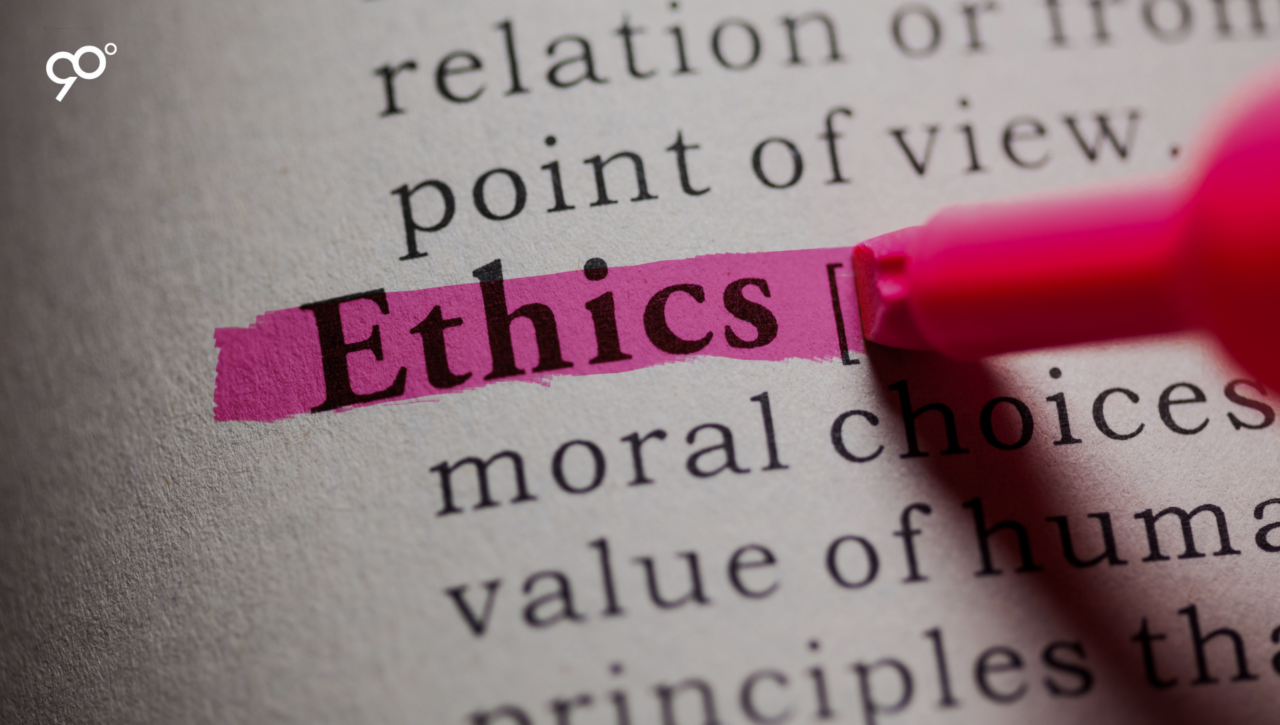
Political public relations sits at the intersection of communication, influence, and public trust. It plays a pivotal role in shaping narratives, building reputations, and guiding public opinion. But in a world increasingly defined by polarization, disinformation, and distrust, ethical boundaries in political PR are more critical—and more tested—than ever before.
Political PR
At its core, political PR is about persuasion. Campaigns, government communications, advocacy groups, and political action committees all rely on strategic messaging to gain support and influence policy. However, the line between persuasion and manipulation can be dangerously thin. When messages distort facts, stoke fear, or exploit divisions, they erode public trust not just in individual candidates or causes—but in the democratic process itself.
One of the most pressing ethical concerns in political PR is misinformation. The rapid spread of unverified or false claims, especially on social media, has made fact-checking both more important and more difficult. Ethical PR professionals must commit to truthfulness, even under intense pressure to win votes or shift public sentiment. While spin and selective framing are part of the political playbook, deliberate deception should never be.
Transparency is equally vital. Political campaigns and organizations must clearly disclose funding sources, affiliations, and sponsorships behind their communications. Covert influence campaigns, bots posing as real voters, or paid influencers who don’t reveal affiliations undermine informed decision-making. PR professionals must uphold transparency as a non-negotiable standard, not a strategic choice.
Another ethical boundary involves targeting. Microtargeting voters based on data-driven insights can be a powerful tool—but it can also raise questions about privacy, manipulation, and fairness. Messaging that plays differently depending on the audience may skirt ethical lines if it presents conflicting narratives or preys on fears and biases. Ethical political PR respects audience intelligence and avoids weaponizing data to deceive or divide.
Negative campaigning
Negative campaigning also tests ethical boundaries. While drawing distinctions between opponents is part of democratic discourse, attack ads that rely on personal smears, half-truths, or inflammatory language can backfire—not just politically, but morally. The challenge for political PR is to remain critical without becoming corrosive, offering substance over sensationalism.
Internally, political PR teams must also reflect ethical consistency. Advisors, spokespersons, and consultants should be held to high standards in how they represent facts, treat the media, and engage with constituents. Upholding ethical conduct internally strengthens credibility externally.
Post-truth narratives
In an age of “post-truth” narratives and viral outrage, adhering to ethical boundaries is not always easy—but it is essential. PR professionals in the political sphere have a responsibility that goes beyond client success. They help shape public understanding, influence policy conversations, and protect democratic norms.
The most effective political communication doesn’t just persuade—it builds trust. By staying grounded in truth, transparency, respect, and accountability, political PR can play a powerful, ethical role in shaping a better-informed and more resilient public.
Follow Ninety Degrees PR Solutions on LinkedIn for more public relations and communication related articles.