
The recent shooting incident inside the Senate has renewed attention to longstanding concerns over the safety, compensation, and workplace protections afforded to media workers, particularly those suddenly exposed to dangerous situations while on assignment.
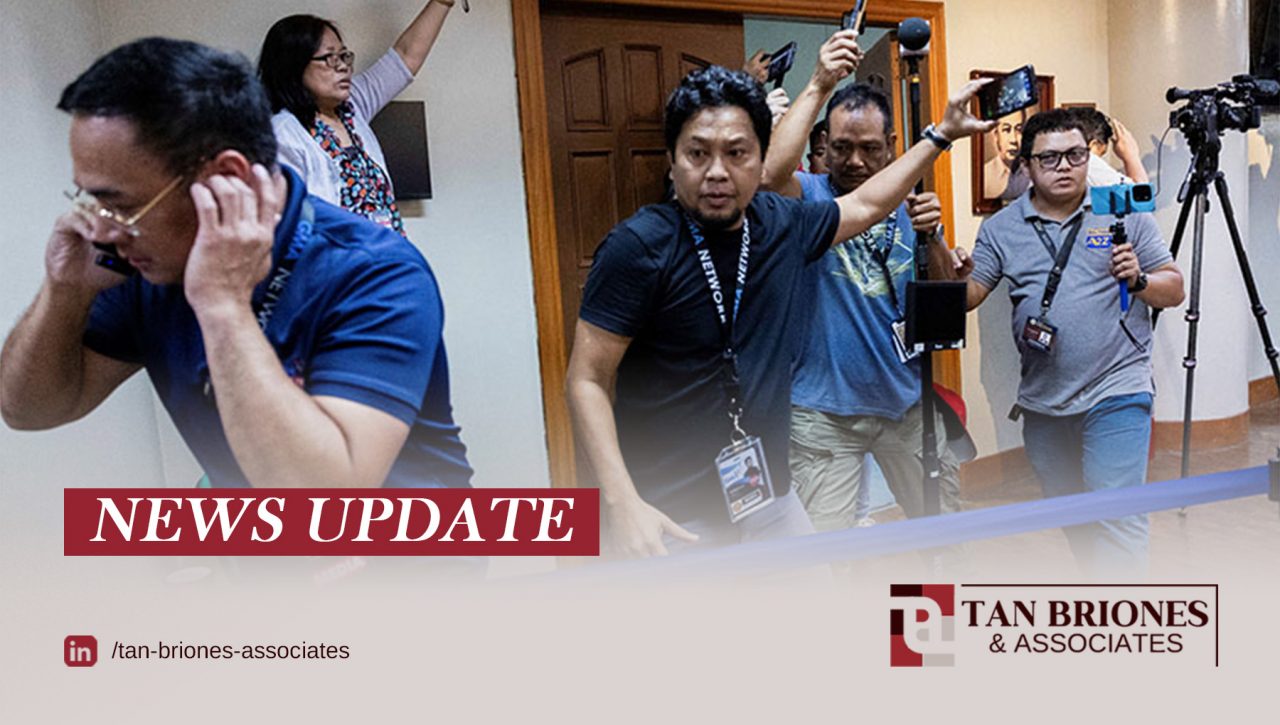
Senator Erwin Tulfo renewed his push for Senate Bill No. 249, or the “Magna Carta for Workers in the Media and News Industry Act,” following the May 13 shooting inside the Senate building, citing the ordeal experienced by reporters and media personnel covering the incident.
Tulfo said the incident was particularly distressing for Senate reporters, who are not trained for police or combat reporting.
“For instance, the Senate media are not accustomed to these kinds of shootouts. Certainly, it traumatized them. We even heard some reporters crying while doing their live commentary. That’s how endangered they were at the moment,” Tulfo said.
The proposed measure seeks to institutionalize minimum labor standards for media workers amid concerns over low pay, job insecurity, lack of benefits, and exposure to hazardous assignments, as the bill’s explanatory note cited a 2021 survey showing many media workers receive low wages and lack overtime pay, hazard pay, and insurance coverage.
Under Senate Bill No. 249, media workers would be entitled to compensation not lower than the applicable regional minimum wage, as well as overtime pay, night shift differential, and holiday pay unless these are already covered by contracts providing higher compensation, while employers would be required to issue pay slips detailing deductions.
The bill would also strengthen job security by deeming media workers regular employees after six months of cumulative service, regardless of employment arrangement, while prohibiting termination except for just or authorized causes with due process, and applying to workers in print, broadcast, and online news platforms, including independent contractors.
The proposal also provides a minimum hazard allowance of ₱500 per day for journalists assigned to dangerous areas, including conflict zones and places under a state of calamity or emergency, while requiring employers to provide additional medical, disability, and death insurance benefits for work-related incidents.
Violations of the proposed law may carry fines ranging from ₱100,000 to ₱500,000. Tulfo said the bill seeks to strengthen protections for journalists whose work often places them in unpredictable and risky situations.
“This measure is not just about improving journalists’ economic well-being, it affirms their dignity and rights as they stand on the frontlines to hold the line for press freedom,” he said.
Follow Tan Briones & Associates on LinkedIn for more legal updates and law-related articles.