
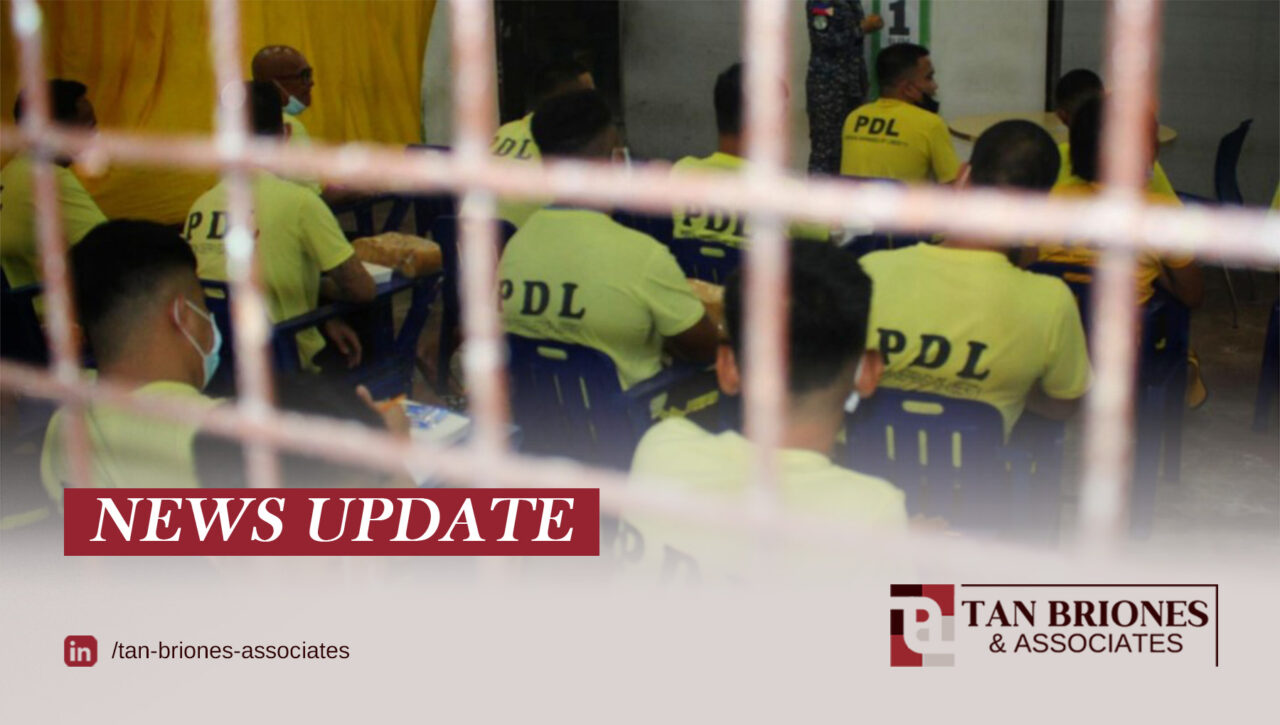
The Commission on Human Rights (CHR) has introduced a new digital tool designed to ensure timely and transparent release of Persons Deprived of Liberty (PDL), addressing long-standing problems in computing time allowances that often lead to overstaying in detention.
The “Laya Calculator,” developed with the United Nations Office on Drugs and Crime (UNODC), standardizes the computation of Good Conduct Time Allowance (GCTA) and other credits such as the Time Allowance for Study, Teaching, and Mentoring (TASTM).
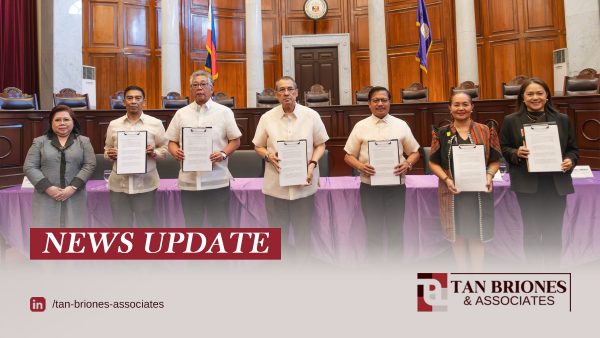
The initiative was formally launched during the CHR’s “Advancing PDL Rights 2026” program on 5 December 2025, part of this year’s National Human Rights Consciousness Week.
UNODC National Programme Officer Dr. Ian Niccolo Tobia highlighted that accurate sentence computations are crucial for detainees, noting that PDLs consistently seek information on their GCTA but records are often unavailable and the process remains difficult.
“When a 40-year sentence can become just 17 years and 13 days with complete GCTA and the TASTM, we see how life-changing accurate computation can be,” he said.
According to the CHR, the tool responds to years of opaque and inconsistently applied calculations across correctional facilities, which contribute to jail congestion and delayed release.
By making release-date information accessible to jail personnel, public attorneys, human rights workers, and PDL themselves, the Laya Calculator aims to reduce information gaps and strengthen accountability in the justice system.
The CHR added that the initiative also operationalizes international human rights standards, including the Nelson Mandela Rules, which require clear and regularly updated documentation of release dates.
The launch formed part of a broader set of initiatives the CHR is rolling out in 2026 to improve PDL welfare and strengthen anti-torture safeguards, including Project Puting Papel, implemented with the Bureau of Corrections, which will install secure drop boxes in prisons to allow PDL to submit complaints or seek assistance directly from the Commission.
The CHR also announced the Bantay Bilangguan advocacy campaign promoting support for a National Preventive Mechanism under the Optional Protocol to the Convention Against Torture, along with a nationwide CAT Consultation to improve compliance with the Convention Against Torture.
For his part, CHR Chairperson Richard P. Palpal-latoc emphasized that sustained collaboration is crucial to improving detention conditions and ensuring fairness in the justice system.
“Para sa 2026, malinaw ang ating layunin: gawing mas makatao, mas mabisa, at mas makatarungan ang sistemang panghustisya sa Pilipinas,” he said, adding that justice “should not depend on luck, connections, or circumstance.”
Follow Tan Briones & Associates on LinkedIn for more legal updates and law-related articles.