
In an age where information travels faster than ever, the challenge for public relations professionals is no longer just telling compelling stories—it’s defending the truth. Disinformation and manipulative narratives have become powerful tools in shaping public perception, often with damaging consequences for organizations, institutions, and even democratic societies. Managing these threats requires a strategic, ethical, and proactive approach grounded in both vigilance and integrity.
Disinformation
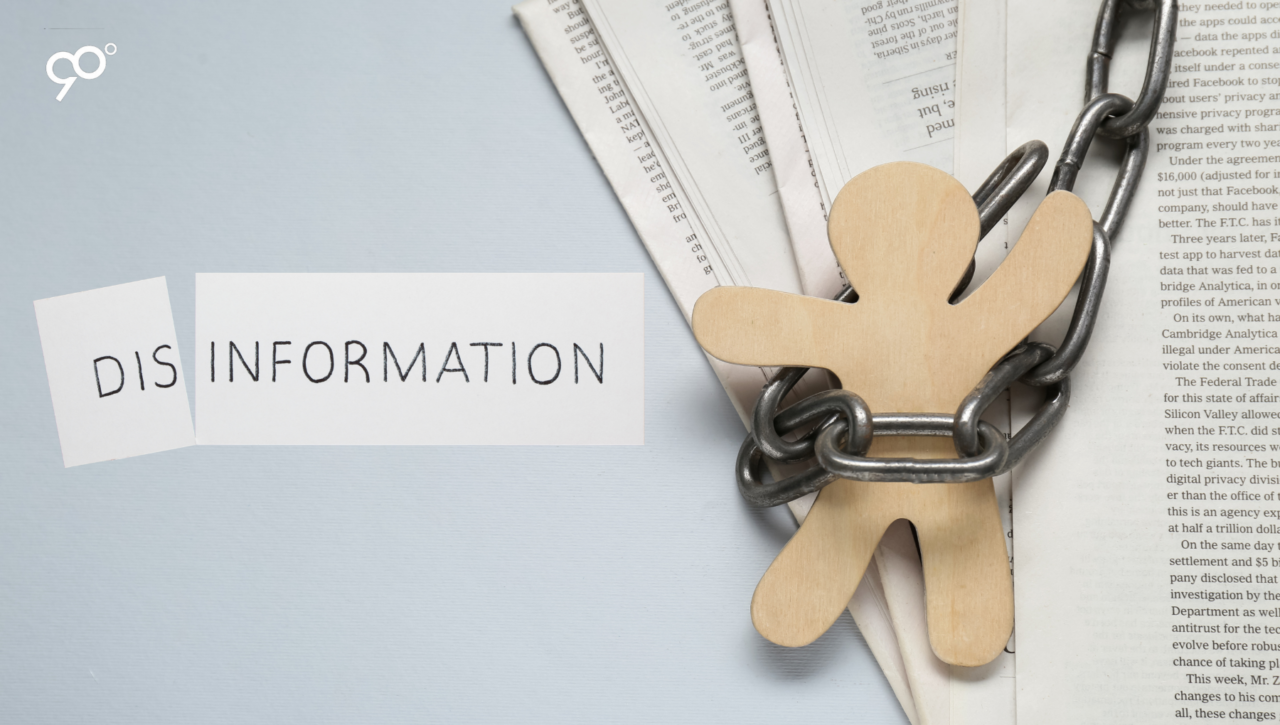
Disinformation—false or deliberately misleading information spread to deceive—can take many forms. It may emerge as fake news, doctored content, viral rumors, or coordinated online campaigns. Manipulative narratives, while sometimes based on fragments of truth, distort context to mislead or provoke. These tactics are often used to undermine credibility, sow confusion, or manipulate emotions for political, financial, or ideological gain.
For PR teams, the first step in managing disinformation is recognizing its potential impact. Unlike traditional crises, disinformation doesn’t always originate from a single event—it spreads quietly, often organically, across social media, forums, and fringe news sites. Left unchecked, it can shape public opinion, damage reputations, and erode trust long before formal responses are issued.
Real-time media monitoring
Real-time media monitoring is essential. Using AI-driven tools and sentiment analysis, PR professionals can detect anomalies in conversation patterns, track the origins of misleading content, and assess its spread. Early detection allows teams to respond before narratives take root, offering corrective information through trusted channels and spokespersons.
However, simply countering false claims with facts is rarely enough. Emotional manipulation is often at the heart of disinformation campaigns. Effective responses must acknowledge public concerns, address the emotional dimension of the issue, and offer clarity without condescension. The goal isn’t just to correct—it’s to connect.
Transparency plays a key role. Whether facing a false accusation or clarifying a misunderstood message, honesty and openness are vital. Attempting to cover up, deflect, or minimize the issue can backfire, further fueling suspicion. Instead, PR responses should provide context, evidence, and avenues for dialogue, reinforcing the organization’s credibility.
Collaborating with credible third parties—fact-checkers, independent experts, community leaders—can also strengthen a response. These voices often carry more weight with skeptical audiences and help create a chorus of truth that counters manipulation more effectively than a single source.
Internally, teams must be prepared. Crisis communication plans should include protocols for identifying and managing disinformation. Staff should be trained to recognize red flags, respond responsibly on social media, and escalate emerging issues promptly. A culture of information awareness within the organization makes it more resilient to outside manipulation.
Ethical standards
Ethical standards must remain a guiding principle. In the face of disinformation, the temptation to fight fire with fire—to exaggerate, spin, or retaliate—is strong. But long-term trust is built on integrity. The organizations that withstand reputational attacks are those that respond with consistency, facts, and respect for their audience’s intelligence.
Ultimately, managing disinformation is not just a defensive act—it’s a strategic one. It requires PR professionals to act as guardians of public trust, not just messengers for their brand. By staying alert, acting quickly, and communicating with clarity and empathy, organizations can protect their reputations while helping shape a more informed public sphere.
Follow Ninety Degrees PR Solutions on LinkedIn for more public relations and communication related articles.