
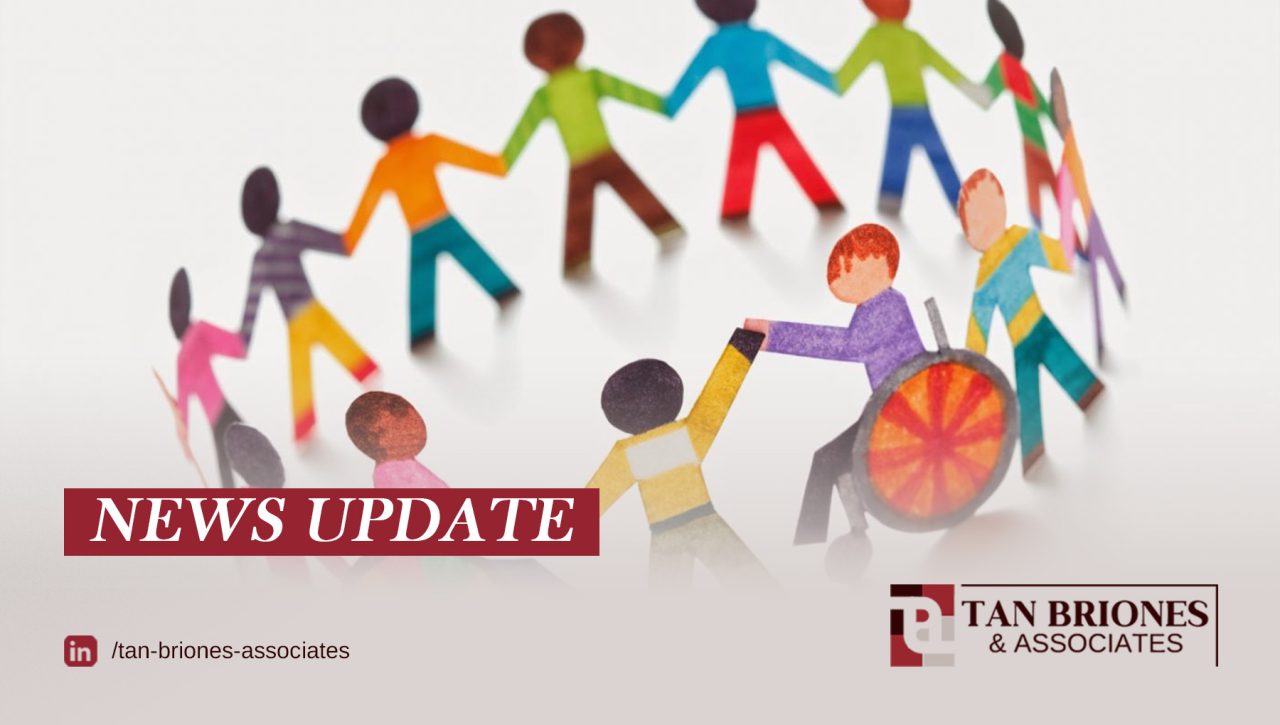
Individuals who publicly mock or ridicule persons with disabilities (PWDs) may face fines of up to ₱200,000 and imprisonment of up to six years under Philippine law.
The National Council on Disability Affairs (NCDA) on October 17 issued an advisory reiterating legal protections against public ridicule, vilification, and discrimination based on disability amid growing concerns over offensive remarks in digital content and broadcast programs.
These protections are provided under Republic Act No. 7277, as amended by Republic Act No. 9442, or the Magna Carta for Persons with Disability, which prohibits acts of public ridicule and vilification against PWDs.
Under the law and its implementing rules, public ridicule includes degrading jokes about disability made before two or more persons, oral or written mockery, and offensive imitation in entertainment, broadcast, or public settings.
Vilification, on the other hand, covers slanderous or abusive statements against PWDs and public activities that incite hatred, serious contempt, or severe ridicule toward them.
“Describing something as ‘just a joke’ does not exempt it from compliance with the law. It is the impact, intent, and circumstances that determine liability,” the NCDA stated.
Penalties for Violations
Under the law, first-time offenders may face a fine of ₱50,000 to ₱100,000, imprisonment of six months to two years, or both, at the discretion of the court.
For subsequent offenses, penalties increase to a fine of ₱100,000 to ₱200,000, imprisonment of two to six years, or both.
If the violator is a corporation, organization, or similar entity, officials directly involved in the violation may be held liable.
Authorities may also cancel or revoke business permits, operating permits, franchises, or similar privileges upon the filing of an appropriate complaint and following due notice and hearing.
The NCDA clarified that penalties are not imposed automatically, as liability must be established through evidence, due process, and appropriate legal proceedings.
Media Responsibility and Reporting
Meanwhile, the NCDA urged media organizations, production teams, and digital content creators to review scripts, captions, thumbnails, and promotional materials for degrading language and disability-related stereotypes, particularly during live broadcasts and discussions.
The Council also advised exercising caution during live discussions, conducting disability sensitivity training, and consulting organizations of persons with disabilities (PWDs) when developing disability-related content.
For possible violations, affected individuals and witnesses may submit reports to the NCDA at grievance@ncda.gov.ph, including a brief account of the incident, relevant links or screenshots, and the date it occurred.
They may also seek assistance from their local Persons with Disability Affairs Office (PDAO) for documentation and referral.
The NCDA advised preserving evidence without recirculating degrading content that could cause further harm to those affected.
Follow Tan Briones & Associates on LinkedIn for more legal updates and law-related articles.