
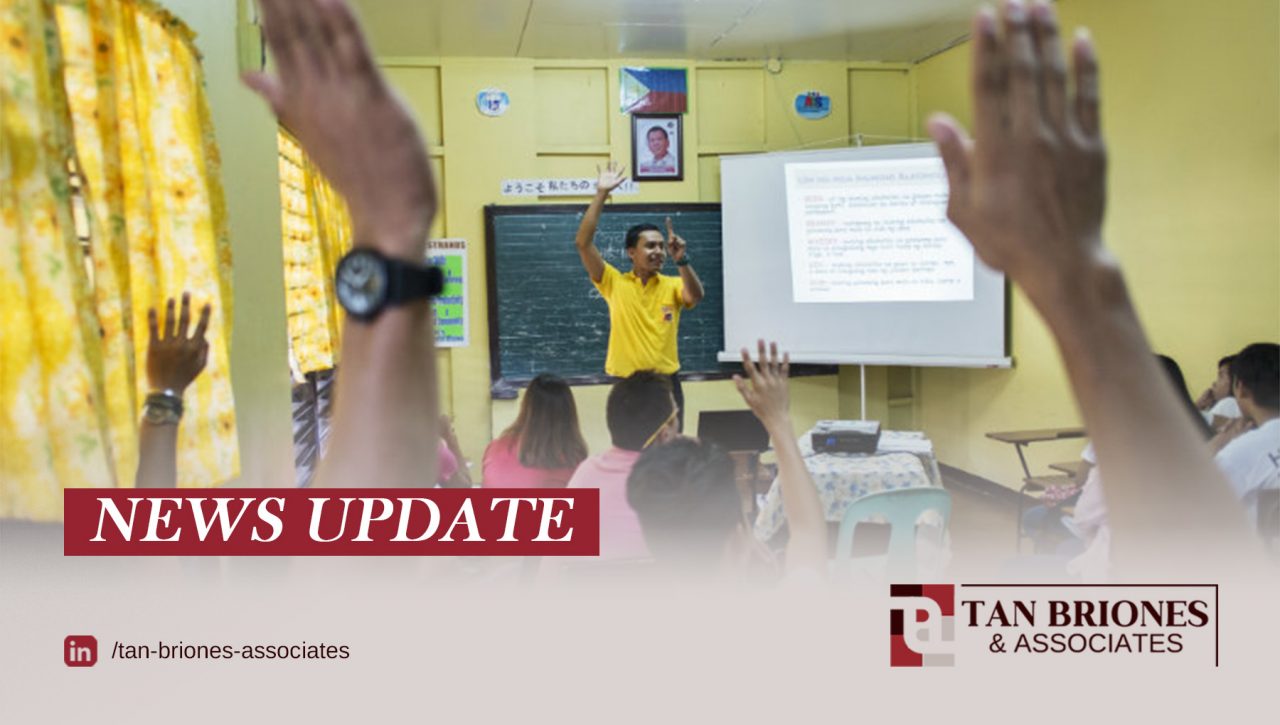
Filipinos are set to benefit from a new law establishing a national framework for lifelong learning, aimed at expanding access to education and skills development to build a more inclusive and competitive society.
President Ferdinand Marcos Jr. signed Republic Act No. 12313, or the Lifelong Learning Development Framework (LLDF) Act, which seeks to promote functional literacy at all levels and ensure that no Filipino is excluded from lifelong learning opportunities, regardless of background or circumstance.
Under the new law, the LLDF establishes standards and guidelines for implementing lifelong learning initiatives in cities, municipalities, and barangays, as well as in accredited learning institutions across the country.
RA 12313 defines lifelong learning as a continuous process occurring through all stages of life, enhancing an individual’s knowledge, skills, and competencies within and beyond formal education settings.
“No person, regardless of ability, sex, social background, language, ethnicity, religion or culture, shall be excluded from participating in the lifelong learning system,” the law states.
The law promotes inclusive access to education from early childhood to tertiary, adult, and technical-vocational levels, with provisions supporting marginalized groups and encouraging learning beyond classrooms within families and communities.
It also expands the mandate of the Philippine Qualifications Framework–National Coordinating Council (PQF-NCC), originally created under Republic Act No. 10968, to oversee the implementation and evaluation of the LLDF.
The Council, now joined by the Department of Interior and Local Government and Department of Trade and Industry, is tasked to formulate, implement, and periodically review the national master plan on lifelong learning in coordination with stakeholders and local government units.
The plan, to be crafted within six months from the law’s effectivity, must align with the Philippine Development Plan and be reviewed every five years to remain responsive to national and sectoral needs.
The Council is also directed to establish the Philippine Credit Transfer System to enable the recognition of learning outcomes across different education levels and modalities, and to maintain the Philippine Qualifications Register.
Moreover, it will monitor and evaluate the performance of LGUs in implementing the framework, integrate provisions of the Public Employment Service Office Act of 1999, and recommend criteria for recognizing LGU initiatives that promote sustainable education under the Seal of Good Local Governance Act of 2019.
Follow Tan Briones & Associates on LinkedIn for more legal updates and law-related articles.