

Longstanding accessibility gaps for deaf Filipinos are set to be addressed as the judiciary formalizes the use of Filipino Sign Language interpreting in all court proceedings.
In a resolution under A.M. No. 21-12-04-SC, the Supreme Court (SC) En Banc approved the Rules on Filipino Sign Language Interpreting in the Judiciary, which operationalize Republic Act No. 11106, or the Filipino Sign Language Act.
The Court said the rules uphold the Philippines’ commitments under the UN Convention on the Rights of Persons with Disabilities, which requires State parties to ensure the effective participation of persons with disabilities in legal processes.
Under the new rules, courts must engage qualified and accredited FSL interpreters in all proceedings involving d/Deaf parties or witnesses.
The Court said this mandatory provision ensures “full and equitable access to justice” for the Deaf community.
The rules also set ethical and professional standards for court interpreters and establish procedures for accreditation and payment.
Moreover, it allows both on-site and remote interpreting, with safeguards to ensure the accuracy, confidentiality, and reliability of all interpretations.
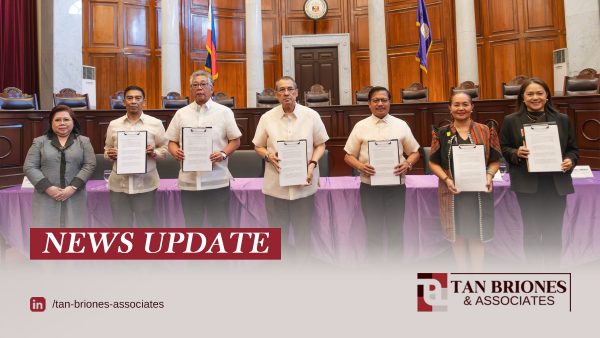
Drafted by a Technical Working Group chaired by Associate Justice Japar B. Dimaampao, the rules were refined through consultations with courts, the Office of the Court Administrator, the Komisyon sa Wikang Filipino, Deaf organizations, and interpreters’ groups, with a writeshop held earlier this year to finalize the measure.
The FSL Rules are part of the SC’s Strategic Plan for Judicial Innovations 2022–2027 under its Access to Justice program and will take effect after publication in the Official Gazette or in two newspapers of national circulation.
Follow Tan Briones & Associates on LinkedIn for more legal updates and law-related articles.