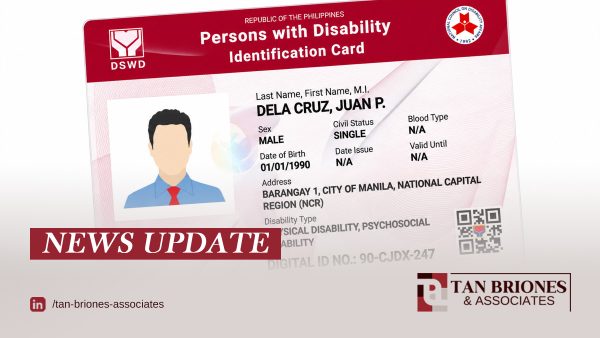

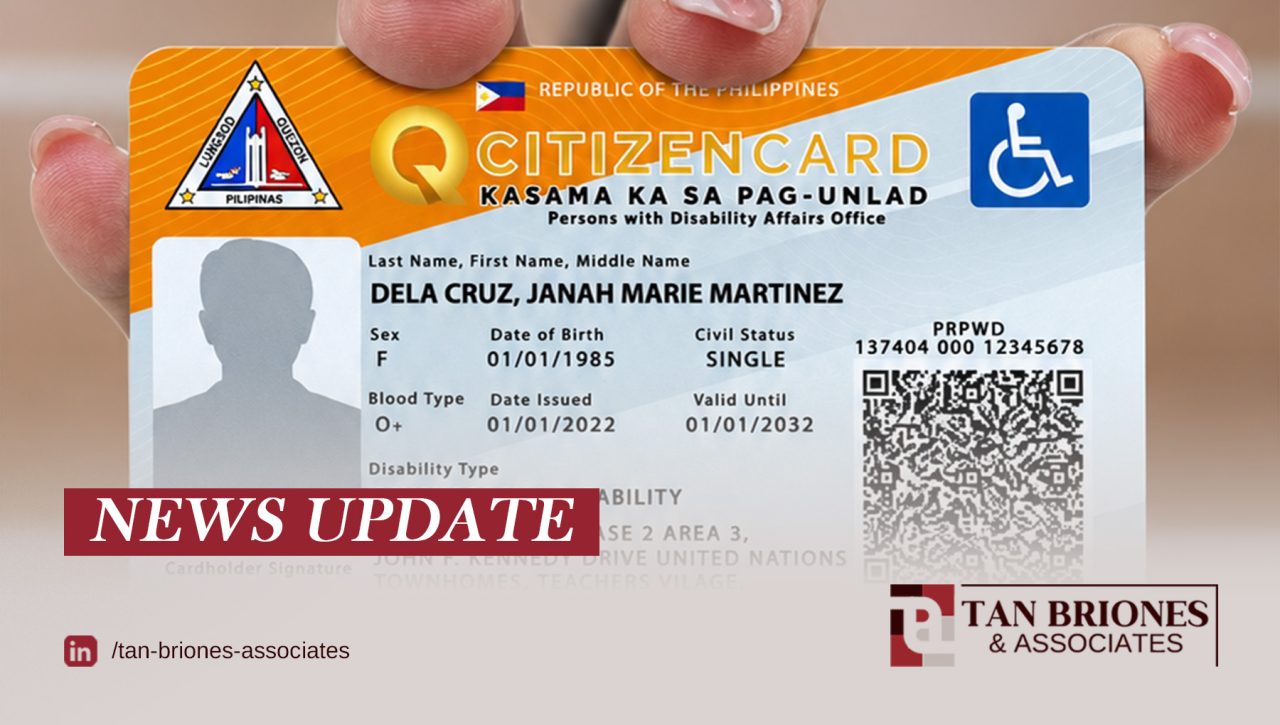
Persons with disabilities (PWDs) can continue using their valid, locally issued identification cards to claim benefits during the three-year transition to a unified digital system.
In a statement, the National Council on Disability Affairs (NCDA) clarified that establishments nationwide must honor both existing valid cards and the new Unified PWD Digital ID during the transition under Administrative Order No. 001, series of 2026.
According to the NCDA, refusing to accept either form of valid identification during the transition violates Republic Act No. 7277, or the Magna Carta for Persons with Disabilities, as amended, and may lead to legal action.
The clarification follows an earlier pronouncement that existing cardholders must register under the new system even if their IDs remain valid. That requirement remains in place despite the continued acceptance of valid IDs during the transition.
The NCDA said the new Unified PWD Digital ID “may also be used immediately to claim all mandatory benefits and privileges” under RA No. 9442 and RA No. 10754.
Benefits include discounts and applicable value-added tax exemptions on specified goods and services, such as medicines, medical and dental services, transportation, hotel accommodations, restaurant purchases and admission to recreational and public facilities.
The council said the three-year transition gives local governments time to build capacity, prepare infrastructure and implement the Unified Persons with Disabilities Identification System (UPWDIS).
Under the administrative order, the Department of Social Welfare and Development and the NCDA will centrally manage the system, while cities and municipalities will produce and distribute the IDs locally.
Each ID will carry a unique identification number and a QR code or barcode for verification, helping authorities detect fraudulent or duplicate registrations.
The order also allows applicants to register without a Philippine Identification System number.
Follow Tan Briones & Associates on LinkedIn for more legal updates and law-related articles.