
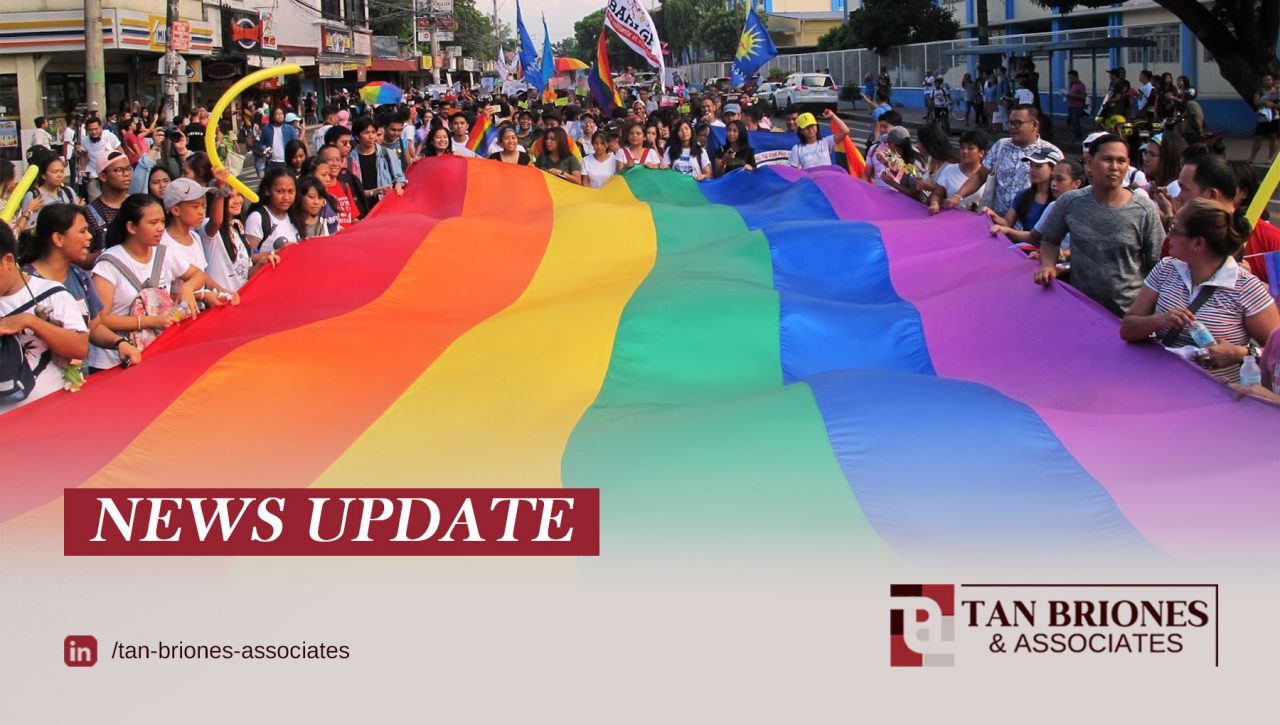
Transgender, intersex, and non-binary Filipinos would be allowed to align their names and gender markers in government records with their lived identities through an administrative process under a bill filed in the House of Representatives.
House Bill No. 9929, or the proposed Lived Identities Recognition Act, seeks to provide an alternative to lengthy and costly court proceedings while protecting the rights to privacy and freedom from discrimination.
Akbayan Representatives Perci Cendaña, Jose Manuel “Chel” Diokno, and Dadah Kiram Ismula filed the measure with Dinagat Islands Rep. Kaka Bag-ao on June 23, in time for Pride Month.
Dubbed the “Sharmaine Bill,” the proposal takes its nickname from a viral TikTok skit by content creator BAET featuring an orange that wanted to be called “Sharmaine” instead of being named after its color, prompting online discussions about the legal process for changing one’s name in the Philippines.
“For many trans and intersex Filipinos, their names cause ridicule and discrimination. Madalas silang kinukutsa at pinagtatawanan dahil sa pangalan na nasa mga legal documents nila,” Cendaña said.
“This is why we filed the Sharmaine Bill. Kung gets natin agad na Sharmaine ang gustong pangalan ng isang orange sa TikTok, kayang-kaya rin natin i-extend ang ganitong pag-unawa sa mga trans at intersex nating kapatid,” he added.
Under the measure, qualified individuals could apply through an administrative procedure to change their names and gender markers in official records.
The bill seeks to establish a legal basis for recognizing lived identities based on gender identity and declares that all persons, regardless of gender identity, are equal before the law and entitled to the same dignity, protection, and recognition.
“The bill aims to establish a clear statutory authority to recognize lived identities on the basis of gender identity. It provides an accessible administrative procedure for name change and gender recognition. It protects the right to privacy and non-discrimination,” the authors said in the measure’s explanatory note.
The proposal cites Republic Act No. 9048, or the Clerical Error Law, as amended by Republic Act No. 10172, which allows a person to petition for a change of first name or nickname under certain grounds.
These include cases in which the requested name “has been habitually and continuously used by the petitioner and he has been publicly known by that [name] in the community.”
Cendaña said the measure would also cover survivors of gender-based violence and child abuse seeking to change their names for safety and well-being.
The bill has yet to undergo committee deliberations in the House.
Follow Tan Briones & Associates on LinkedIn for more legal updates and law-related articles.